
Sex Offender Pilot Dies in Mystery Crash Amid Abuse Lawsuit
Richard McClung, a convicted sex offender facing a child abuse civil suit, died in a small plane crash near McHenry County and Rockford, Illinois.
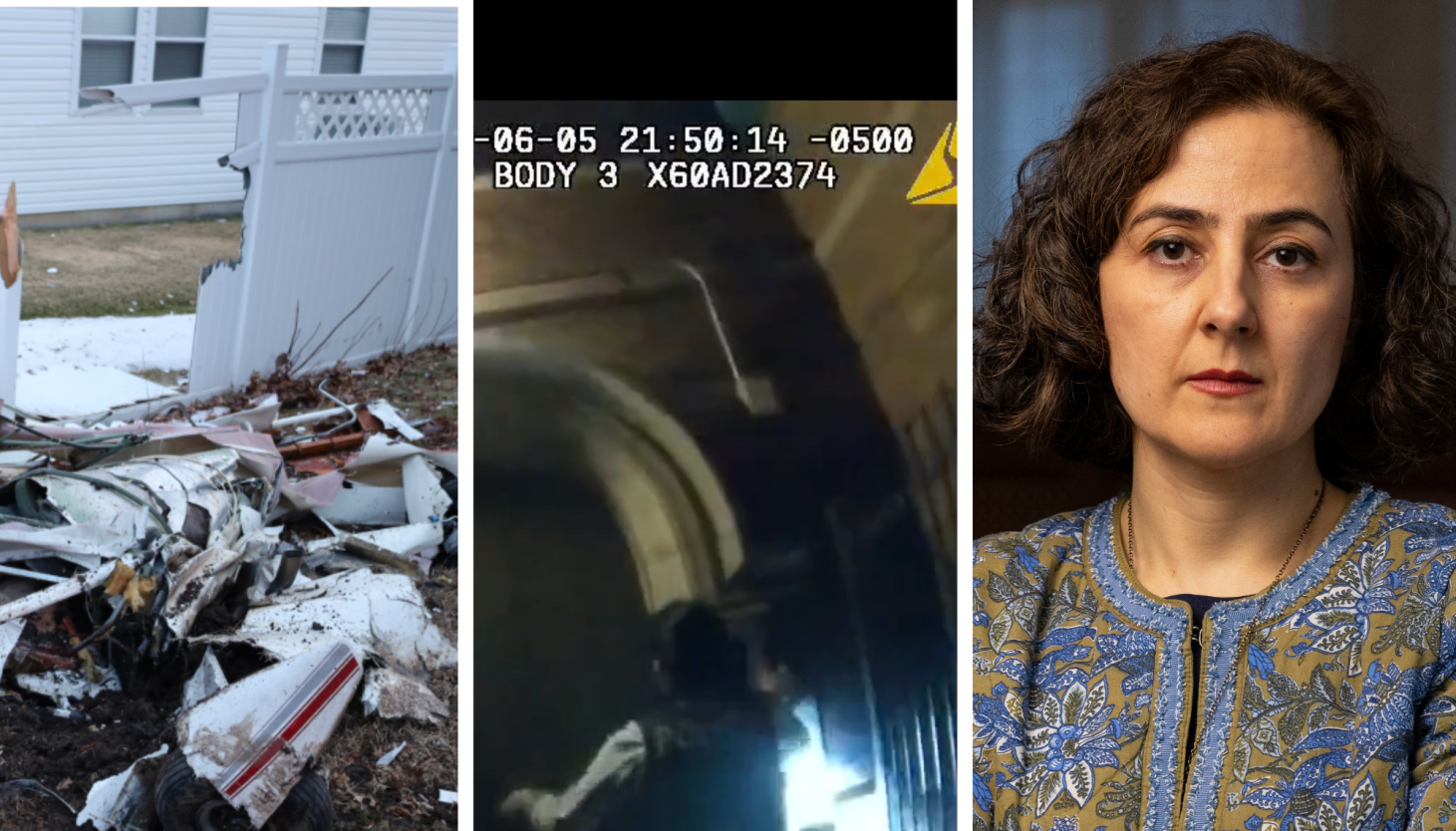
A convicted sex offender named in an active civil abuse lawsuit died when the small plane he was piloting went down in a corridor between McHenry County and Rockford, the Chicago Sun-Times reported.
Richard McClung’s death is confirmed. The cause of the crash isn’t.
McClung had been a registered sex offender facing a civil lawsuit that accused him of sexually abusing children during his time leading a church congregation. That suit was still active when he died. He was the pilot of the aircraft. No confirmed passenger list or flight plan has surfaced in publicly available records.
The crash site sits in the flat stretch northwest of Chicago where McHenry County’s farm fields push toward the industrial outskirts of Rockford. It’s a quiet corridor, the kind of place a small general aviation aircraft can go down and take hours to be found.
Fatal crashes involving privately piloted aircraft aren’t rare in Illinois. The National Transportation Safety Board investigates virtually every general aviation fatality nationwide, and those probes routinely take 12 to 24 months before a final report is issued. Whether the NTSB has formally opened a case on this particular crash hasn’t been confirmed in available source material. “We open investigations to find out what happened and why, so it doesn’t happen again,” an NTSB spokesperson said in a statement to Chicago Gust.
What sets this apart from a routine general aviation fatality is who was in that cockpit when it went down.
McClung had been accused, in a civil filing, of sexually abusing children while holding a position of religious authority over a congregation. Specifics about the congregation’s name, denomination, or location weren’t confirmed in available reporting, and Chicago Gust won’t speculate on those details. The suit was a live case in 2026.
Civil suits don’t die with defendants. Under Illinois law, abuse claims can survive against a deceased person’s estate, which means the plaintiffs may still be able to pursue the case through Cook County probate court. Attorneys for those plaintiffs couldn’t be reached before publication. The legal path gets harder, not closed.
The Illinois General Assembly has addressed survivor rights in civil abuse cases through legislation, but gaps remain in how estates handle contested claims when a defendant dies before trial. In 2014, Illinois courts had already started grappling with how to treat clergy abuse litigation when defendants were no longer living.
The Illinois State Police and local McHenry County authorities would typically be first on scene at a crash site before federal investigators take over. Whether a criminal inquiry separate from the civil case was ever opened against McClung isn’t something the available reporting confirms.
That distinction matters. Civil liability and criminal accountability aren’t the same thing. For families of alleged victims, McClung’s death before any trial or settlement creates a particular kind of unresolved end. It doesn’t erase the accusations. It doesn’t produce a judgment. A court can’t sentence a dead man.
What it can do is leave a record. Illinois civil courts have some capacity to continue proceedings against an estate, and plaintiffs’ attorneys in abuse cases have pursued that route before. Whether they’ll do so here depends on the estate’s assets, the strength of the remaining claims, and decisions that hadn’t been made public as of publication.
The crash comes amid broader pressure on courts and law enforcement across the Chicago region to move more quickly on abuse cases tied to religious institutions. That pressure had been building for years before 2026, with prosecutors and civil attorneys both pushing to keep cases from stalling.
McClung’s registered sex offender status means he was already subject to ongoing state monitoring before his death. The circumstances that produced that registration weren’t detailed in the available source material.
Investigators have not publicly released a cause for the crash. The NTSB process, when it runs its full 12 to 24 months, would produce a probable-cause finding. That finding won’t speak to the civil lawsuit. It won’t speak to the children who alleged abuse. It’ll tell us why the plane came down. Not much else.