
O'Neill Burke Emails Reveal Federal Alliance Amid ICE Probe
Emails show Cook County State's Attorney O'Neill Burke avoided criticizing Trump to protect federal law enforcement relationships during Operation Midway Blitz.
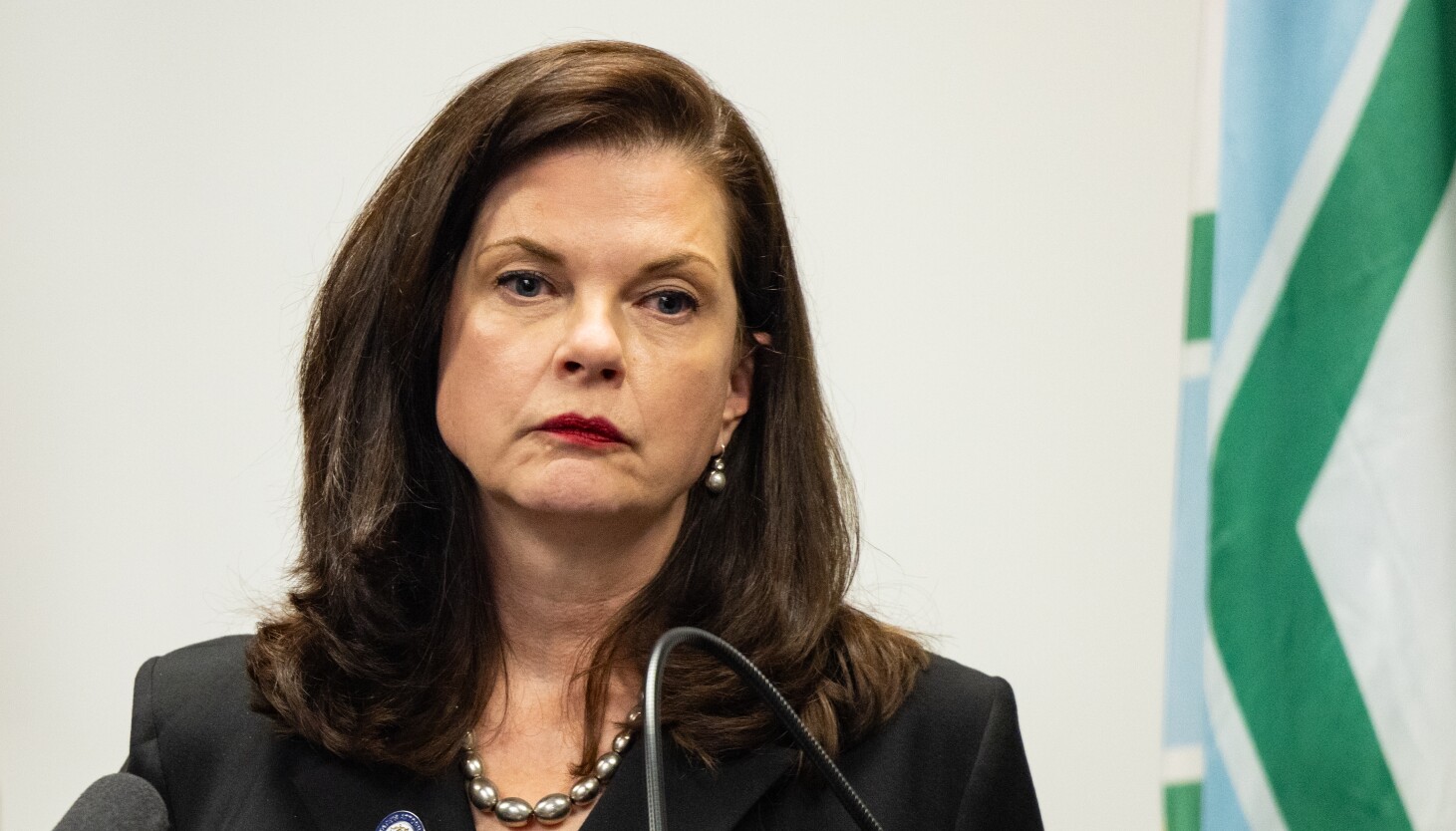
Cook County State’s Attorney Eileen O’Neill Burke stayed quiet about the Trump administration’s immigration enforcement plans because she didn’t want to damage her “excellent working relationships” with federal law enforcement. That’s the core claim in newly filed court records that could force a judge to appoint a special prosecutor.
The emails surfaced in a 30-page filing submitted Friday by a coalition of elected officials and community members. The coalition argues O’Neill Burke can’t fairly investigate federal agents accused of misconduct during Operation Midway Blitz, a deportation sweep that drew fierce criticism from Chicago officials and immigrant rights organizations.
“The State’s Attorney has an alliance with federal law enforcement that prevents her from taking action against the federal agents alleged to have committed crimes during Operation Midway Blitz,” the coalition’s attorneys wrote.
Cook County Circuit Judge Erica Reddick, who presides over the court’s criminal division, is set to hear arguments Friday. Her decision could compel the appointment of an outside prosecutor to examine conduct by U.S. Immigration and Customs Enforcement agents during the operation. For a breakdown of how Cook County Circuit Court’s criminal division procedures work, the court’s website lays out the process in detail.
O’Neill Burke’s office didn’t wait long to fight back. On Monday, it called the petition “frivolous” and accused the coalition of misrepresenting the law. “The petition seeking a special prosecutor is frivolous, contains baseless allegations and gross misrepresentations of the law, and will make it more difficult for the Cook County State’s Attorney’s Office to successfully do its job protecting the public,” the office said in a statement. A spokesperson also said O’Neill Burke is “horrified by the thuggish and inappropriate conduct of ICE agents in Chicago and elsewhere,” insisting her office’s inaction isn’t a sign of alliance with federal authorities.
That’s a sharp denial. But the coalition’s filing points to specifics that won’t be easy to dismiss.
Among the emails cited is one sent Aug. 11 by a member of the Justice Advisory Council. The message documented an attempt by Cook County Board President Toni Preckwinkle’s office to get O’Neill Burke to publicly criticize the Trump administration’s immigration enforcement stance. She declined, the filing says, specifically to avoid straining ties with federal agencies she works alongside daily.
The coalition’s lawyers don’t frame that as mere caution. They argue O’Neill Burke’s reluctance to challenge federal authorities before Operation Midway Blitz shaped how her office handled the situation once allegations of agent misconduct came in. If she wouldn’t publicly criticize ICE before the operation, the argument goes, she’s not positioned to prosecute ICE agents after it.
The Chicago Sun-Times first reported on the 2026 filing, which represents the most complete public record yet of the conflict-of-interest argument against O’Neill Burke.
The State’s Attorney’s office has insisted it’s capable of a “comprehensive response” to any misconduct allegations without outside interference. Her team’s position is that working with federal law enforcement doesn’t mean she can’t hold individual agents accountable. Critics aren’t buying it. They say the Aug. 04 email alone demonstrates that the relationship between O’Neill Burke and federal authorities had already crossed from cooperation into deference long before Operation Midway Blitz became a flashpoint in 2024.
Reddick’s ruling won’t just affect this case. It’ll set a precedent for how far a sitting state’s attorney’s professional alliances can extend before a conflict of interest is legally recognized. Chicago’s watched that question go unanswered for too long.
The coalition filed 21 pages of supporting documentation alongside the 30-page brief. Whether that’s enough to convince Reddick that an independent prosecutor is needed, not just warranted on paper but required under Illinois law, is the question Judge Reddick will have to answer when she takes the bench Friday.