
HUD Blocks Walter Burnett From Becoming CHA CEO
HUD rejected waivers needed to appoint retired Ald. Walter Burnett as CHA CEO, citing conflict-of-interest rules tied to his council role and landlord payments.
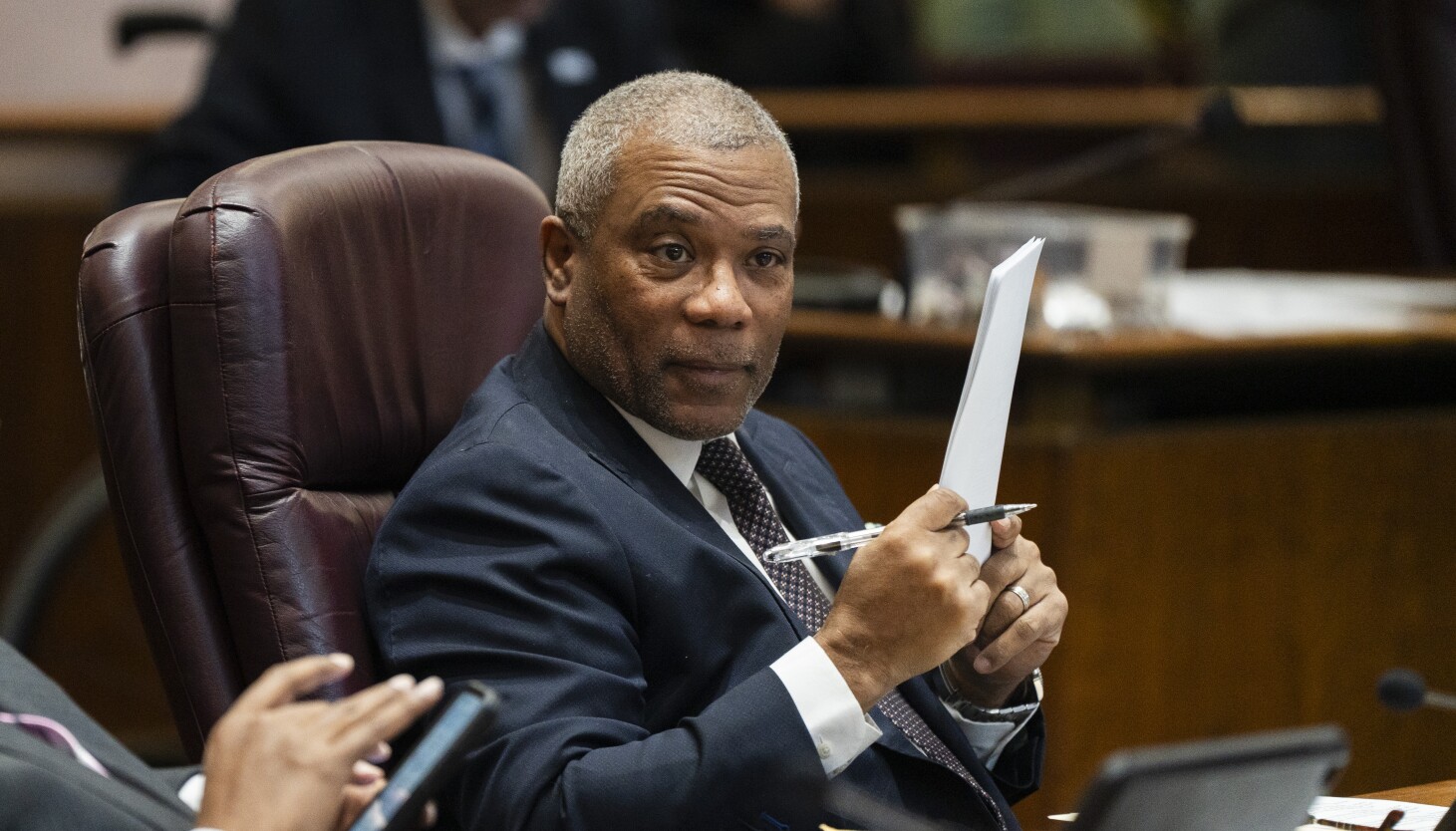
Mayor Brandon Johnson’s push to install retired Ald. Walter Burnett as CEO of the Chicago Housing Authority is dead, at least for now. The U.S. Department of Housing and Urban Development rejected the CHA’s waiver requests Tuesday, cutting off the seven-month effort to place Burnett at the top of an agency that manages roughly 50,000 housing units across Chicago.
HUD didn’t hedge. The agency found two separate, independent bars to Burnett’s appointment, either one of which would be sufficient to block it.
The first problem is timing. Burnett retired from his City Council seat representing the 27th Ward in August 2025, after roughly 30 years in the job. Federal rules prohibit appointing a former public official to a housing authority CEO role within one year of leaving that office, particularly when that official held “functions or responsibilities with respect to CHA” during their tenure. Burnett did. That one-year clock won’t expire until at least August 2026.
The second problem is money. Burnett and his wife have collected more than $260,000 from the CHA as landlords participating in the agency’s housing voucher program since 2007. Federal conflict-of-interest rules bar anyone from serving as CHA CEO while they or an immediate family member receives payments through that voucher program. There’s no indication the Burnetts have stopped participating.
Todd Thomas, HUD’s acting deputy assistant secretary of public housing and voucher programs, spelled it out plainly in a letter to CHA interim Operating Chairman Matthew Brewer. The HUD’s public housing program oversight letter stated that the “CHA may not appoint Mr. Burnett to serve as the CEO within one year of his retirement from a position as a public official with the City of Chicago, or at any time while he or any immediate family member is participating as an owner in the” voucher program.
That’s not a close call.
The Johnson administration’s response was, to put it charitably, a stretch. Mayoral spokesperson Griffin Krueger said the mayor’s office is reviewing the letter and pushed back on HUD’s reasoning, arguing there’s prior precedent for people with Burnett’s background to lead public housing authorities elsewhere. “This communication reaffirms that reality,” Krueger said.
It doesn’t, really. The letter Thomas wrote explicitly prohibits the appointment. It’s hard to read it any other way. But the statement from Krueger suggests Johnson isn’t ready to formally walk away from Burnett without some political protection in place first.
Burnett didn’t respond to requests for comment. Brewer also didn’t respond, even though Thomas addressed the letter to him personally.
The HUD ruling drops into what’s already an ugly stretch for the CHA institutionally. Johnson and Brewer have been locked in an open dispute over control of the agency throughout much of 2026. That fight escalated this month when Johnson declared he’d removed Brewer from his dual roles as board chair and interim operating chairman. Brewer’s position is that the mayor hasn’t followed proper procedures to complete the removal, and that legal question hasn’t been resolved.
The whole situation traces back to 2025, when Johnson began pushing Burnett as his preferred choice to run the CHA. Burnett’s long tenure in the 27th Ward gave him deep ties to public housing on the city’s near North Side, and Johnson framed him as a community-rooted leader for the agency. HUD, apparently, saw it differently and wasn’t willing to sign off on waivers that would have cleared the way for the appointment.
The Chicago Sun-Times first reported the $260,000 in voucher payments dating to 2007, a figure that made the conflict-of-interest waiver a long shot from the start.
The Department of Housing and Urban Development’s ruling doesn’t resolve who runs the CHA. It just confirms who won’t. With Brewer’s status still contested and Burnett now formally blocked, the agency is operating without settled leadership at a moment when it can’t afford the distraction.