
Emails Reveal Why O'Neill Burke Wouldn't Denounce Trump
Internal campaign emails show Eileen O'Neill Burke avoided criticizing Trump over fears it would cost her the Cook County state's attorney race.
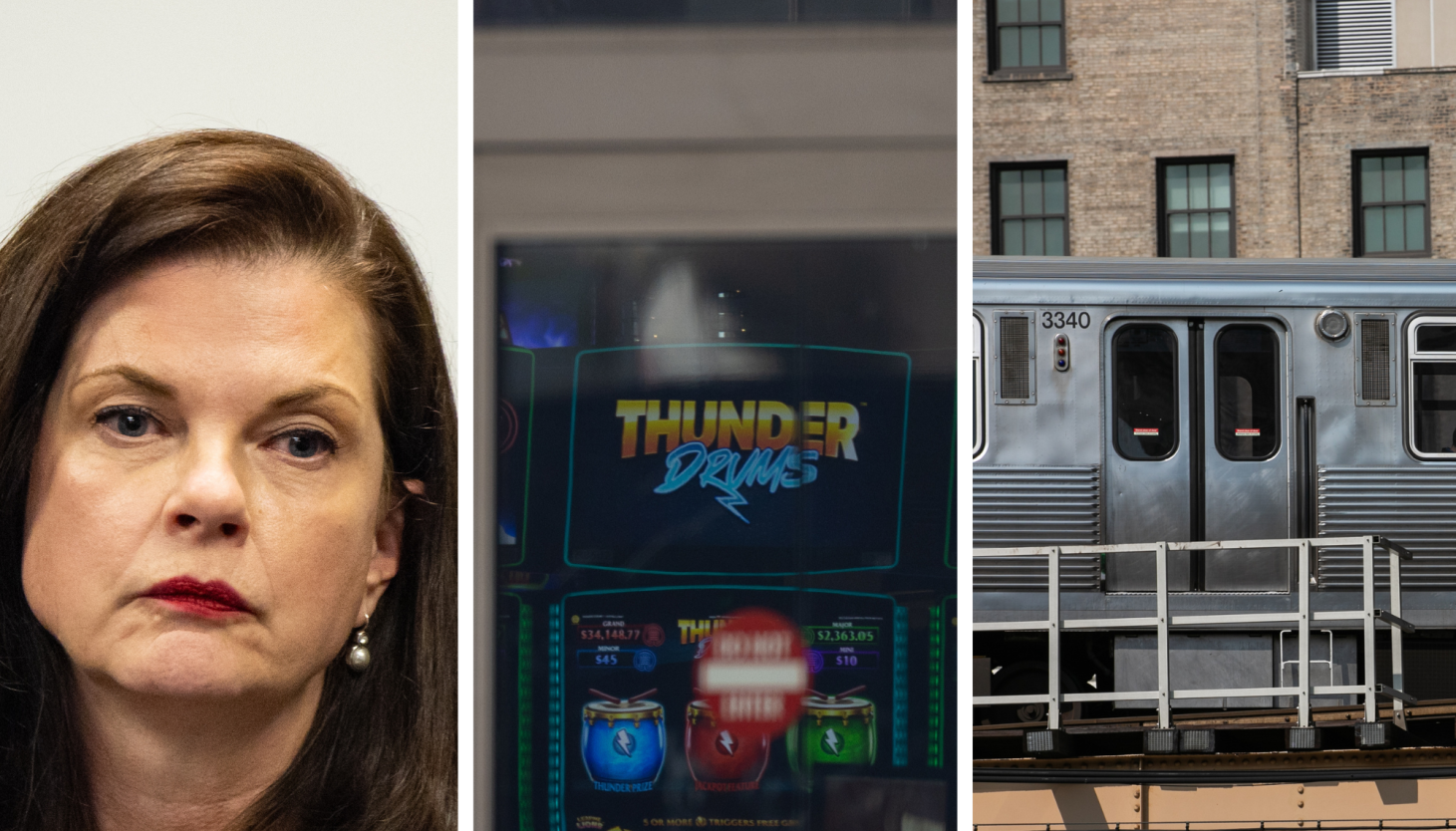
Emails obtained by the Cook County state’s attorney’s office show Eileen O’Neill Burke’s 2024 campaign team weighed the political cost of attacking President Donald Trump and chose silence. Her advisers warned that direct criticism could sink the race.
The Chicago Sun-Times broke the story Monday. The documents expose internal campaign deliberations over whether to go after Trump publicly, with staffers calculating that energizing Democratic voters in Cook County’s suburban collar wasn’t worth the electoral risk. They chose restraint. Now that calculation is public record.
That’s a problem for O’Neill Burke.
She won the state’s attorney seat and has since rolled out a policy her office says shields immigrants from prosecution when the only basis for a case is a federal immigration arrest with no underlying state charges. Immigrant rights organizations in Pilsen and Little Village have praised the stance. Republican lawmakers in Springfield haven’t. They argue Cook County’s top prosecutor is deliberately obstructing federal law enforcement, and they’re not backing down.
Progressive groups are pushing from the other side, saying O’Neill Burke’s campaign-season silence on federal immigration enforcement in the Chicago area was disqualifying long before she set foot in the state’s attorney’s office. The emails give those critics something concrete to point to. It wasn’t principle that kept her quiet, they argue. It was math.
Cook County’s Democratic machine spent much of early 2025 vouching for O’Neill Burke as an independent operator. These emails don’t fit that story. A spokesperson for the state’s attorney’s office didn’t respond to a request for comment Monday.
“Nobody wants to be left holding the tab for a billionaire’s stadium,” said one lawmaker familiar with the Springfield negotiations, reflecting the caution that’s defined the Bears stadium talks since they stalled out.
Those talks are moving again. A group of state legislators is circulating bills at the Capitol that would put public financing behind a Bears stadium, either on the lakefront or the Burnham Park corridor. Nothing has cleared committee. The Bears have separately explored sites including Arlington Heights, but no deal has materialized. Supporters of a lakefront arrangement say a 2027 deadline for any realistic construction timeline is already pressing. Opponents don’t want taxpayers on the hook.
Meanwhile, Gov. JB Pritzker is pushing a separate restructuring of how Illinois oversees its gambling industry. His proposal would reorganize the Illinois Gaming Board, which currently holds authority over casinos, video poker terminals, and sports wagering statewide. Pritzker’s office argues the current structure can’t keep pace with an industry that’s expanded sharply since Illinois legalized sports betting in 2019.
The board isn’t welcoming the overhaul. Some of its members say the timing is off, that the restructuring would create enforcement gaps at exactly the moment the state can least afford them. Illinois is pulling in record gambling tax revenue, and critics of Pritzker’s plan argue you don’t restructure a regulatory body that’s managing more than 40,000 licensed video gaming terminals without a very good reason. They say Pritzker hasn’t given them one.
None of these storylines are happening in isolation. The O’Neill Burke emails, the Bears stadium push, and the Gaming Board fight all carry the same subtext: who controls what in Illinois, and who’s accountable when it goes sideways. In Springfield, that question rarely gets a clean answer.
The Bears legislation, if it moves at all, won’t move fast. Talks have been quiet since 2024, and the political will to hand a stadium deal to an NFL franchise isn’t exactly surging. The CTA’s official capital improvement page shows the transit agency is managing its own infrastructure demands, with projects funded through 2026 and planning already underway for priorities that run into 2025 and beyond. A stadium deal would strain those conversations further.
O’Neill Burke faces a political calendar that doesn’t slow down. The emails surfaced in 2026, giving opponents in both parties material heading into the next election cycle. Her office’s immigration policy may be legally defensible. Whether it’s politically survivable is a different question. Six words from her campaign team probably sum it up: they ran the numbers and went quiet.