
Chicago Council Demands Hearings on ShotSpotter Replacement
Three aldermen pushed a resolution demanding hearings into why Chicago heads into a second summer without a gunshot detection system despite $13.9M budgeted.
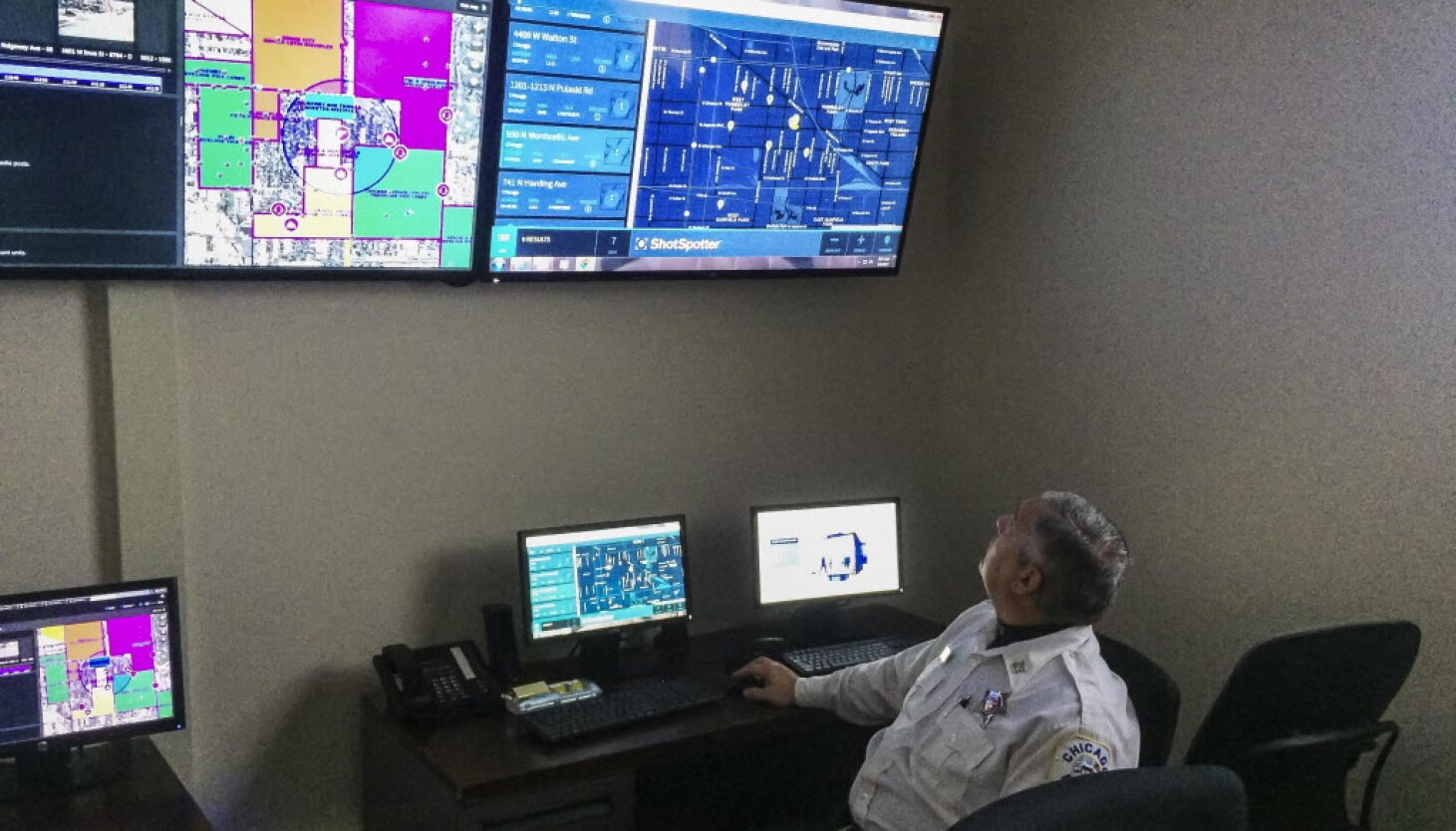
Three aldermen pushed a formal City Council resolution through Wednesday’s session demanding hearings on why Chicago is entering a second straight summer without gunshot detection technology, with $13.9 million already budgeted and no system to show for it.
Public Safety Committee Chair Brian Hopkins (2nd Ward), Ald. Peter Chico (10th Ward) and Ald. Derrick Curtis (18th Ward) introduced the measure at the April 15, 2026 meeting. Their target: what they called “delays and missed deadlines” in replacing ShotSpotter, the acoustic gunshot detection system that Mayor Brandon Johnson removed from city streets after he took office.
Hopkins didn’t soften his language when talking to reporters. “The whole point of it is to dispatch police automatically when shots are fired,” Hopkins told the Chicago Sun-Times. “This administration is philosophically opposed to that. So even though they said they would replace ShotSpotter, their preference would be for this whole issue to just fade away and we’re not going to let that happen.”
The resolution doesn’t stop at gunshot detection. It also demands scrutiny of what sponsors describe as “protracted delays in implementing a records management system to improve data collection, analysis and officer oversight, including an early intention system to identify at-risk behavior.” That’s a broader indictment of the city’s public safety technology agenda than the ShotSpotter headline alone suggests.
The backstory here is knotty. Johnson denounced ShotSpotter as a “walkie-talkie on a stick” during his 2023 campaign, drawing heavily on criticism from progressive backers who saw the system as expensive, unreliable and a mechanism driving over-policing in Black and Brown communities on the South and West Sides, where gun violence has long been concentrated. After taking office, he moved to terminate the contract with SoundThinking, the company that owns the ShotSpotter brand.
City Council pushed back hard. Aldermen passed an ordinance authorizing Police Superintendent Larry Snelling to sign a replacement contract directly, bypassing the mayor. Johnson declared it “illegal” and refused to act. He did, however, negotiate a short-term extension keeping ShotSpotter operational through the August 2024 Democratic National Convention in Chicago. Critics said that concession cut against his own argument that the technology wasn’t worth keeping.
That DNC extension expired. Johnson then opened a formal competition for a replacement. Eight firms, including SoundThinking, submitted responses to the city’s request-for-information by the September 20, 2024 deadline. What came next: nothing. No contract announcement, no shortlist, no deployment. The competition seems to have stalled somewhere in the procurement process, with no public explanation from the administration.
Two consecutive city budgets have reserved a combined $13.9 million for replacement gunshot detection technology. It hasn’t moved. Meanwhile, Chicago’s public health department has documented gun violence as a leading cause of death and injury in communities on the South and West Sides, where residents have pressed for years for faster emergency response when shots ring out. Researchers affiliated with the Gun Violence Research Consortium have raised ongoing questions about what detection technology can and can’t accomplish, but the absence of any system at all isn’t a policy position. It’s a gap.
Hopkins and his co-sponsors want formal hearings that force the administration to answer publicly. That’s the mechanism here. Not legislation. Not a new contract. A hearing room, sworn testimony and a record.
The 45 members of the City Council won’t all line up behind this resolution. Johnson has allies among the aldermanic ranks, particularly those representing wards where ShotSpotter’s track record drew the most community opposition. But the sponsors represent wards that know what a gunshot sounds like at 2 a.m. and what it means when no squad car shows up because no system flagged the report.
Chicago has now gone through what amounts to a full public safety technology vacuum since ShotSpotter’s contract lapsed. The $13.9 million sits in budget line items while the question of what replaces the old system remains, in 2026, unanswered.
The resolution passed Wednesday. The administration hasn’t publicly responded.