
Broadview IL Struggles With Costs of ICE Detention Facility
The Chicago suburb of Broadview faces mounting costs and political pressure after its ICE detention facility became a flashpoint in the national immigration debate.
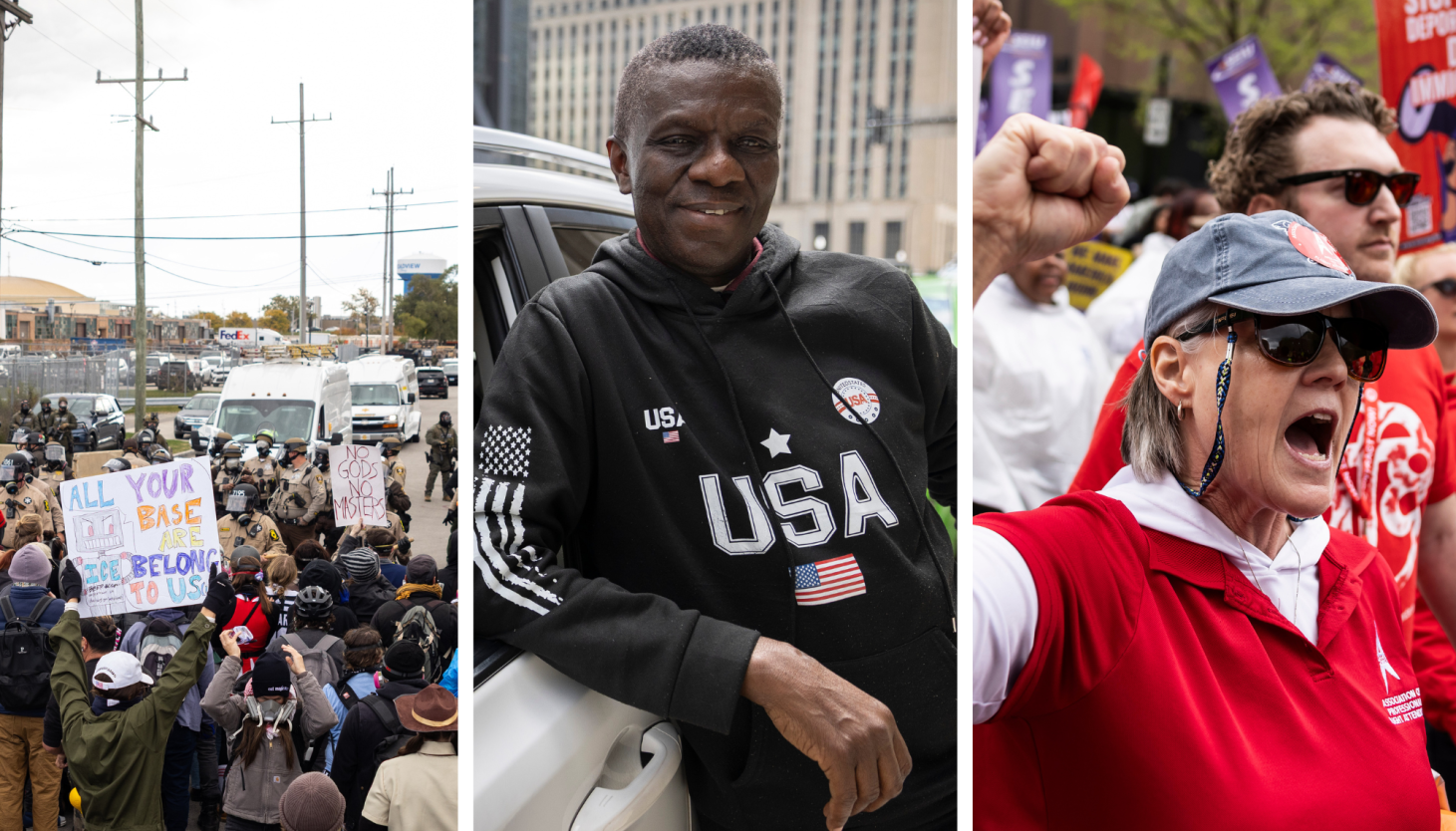
Broadview never volunteered for this. The suburb of roughly 8,000 residents sitting just west of Chicago is absorbing costs it didn’t budget for, fielding protests it didn’t invite, and running a police department stretched past what its tax base can reasonably support, all because a U.S. Immigration and Customs Enforcement detention facility operates inside village limits.
The numbers don’t lie. Village officials say the ICE facility has drained local infrastructure budgets, forced overtime from a public safety department that’s simply too small for this kind of sustained pressure, and generated protest activity that requires police presence week after week. Broadview collects no direct revenue from the federal operation sitting inside its borders, according to Chicago Sun-Times reporting. That’s the arrangement: Washington gets the facility, Broadview gets the bill.
“We’re a small community,” one village official told the paper, “and this has had real costs that we haven’t been compensated for.”
Hard to argue with that math.
The facility sits close to the Eisenhower Expressway, which means it’s accessible. Attorneys working downtown can reach it in under half an hour. Immigration advocates from Chicago’s Northwest Side show up regularly. Demonstrations outside the facility aren’t occasional events anymore, they’re a fixture. Crowds come from the western suburbs and from advocacy organizations spread across the metro region. When the Trump administration’s 2025 immigration enforcement push shifted into higher gear, Broadview’s detention site went from a low-profile federal installation to something closer to a national flashpoint, and the village had no say in that transition.
Broadview doesn’t have Chicago’s political weight. It doesn’t have the tax base of wealthier suburbs farther out on the expressway corridor. It’s a working-class community trying to keep basic municipal services running while managing fallout from decisions made in Washington. That’s not a complaint unique to 2026, but it’s hitting differently now.
Village leadership has been measured in its public statements, maybe too measured for some residents. The board hasn’t passed any formal resolution putting distance between Broadview and ICE operations. Local officials are getting pulled from two directions at once. Residents who want the facility gone are pushing for stronger opposition. Others, worried about antagonizing federal authorities, argue that confrontation could make the situation worse for the village. Neither side has closed the argument.
ICE operates 20 detention facilities across Illinois and nearby states. But Broadview’s proximity to Chicago makes it something the others aren’t: visible, reachable, and useful as a staging point for legal intervention. Immigration lawyers can get there fast. Advocates can mobilize and arrive same morning. That geography drives the protest volume, which drives the policing costs, which circles back to a budget that can’t cover the gap.
The pattern isn’t new. Across the country, small municipalities hosting federal detention operations find they can’t dictate terms to Washington but can’t walk away from local consequences either. The National League of Cities has tracked this dynamic across dozens of communities. Broadview fits the model precisely: a small government carrying costs generated by federal policy decisions it had no hand in shaping.
What’s different about 2026 is the intensity. The enforcement environment that took shape through 2025 has produced more detentions, more legal activity, more organized resistance, and more sustained public attention than communities like Broadview are equipped to manage. It’s one thing to host a federal facility during quieter times. It’s another when that facility becomes a symbol in a national argument.
The village isn’t declaring war on ICE. It’s also not pretending the situation is manageable without some accounting from the federal government. That’s the position Broadview’s in: trying to stay functional without resources it didn’t plan for and won’t easily recover. The facility isn’t going anywhere soon, and neither is the pressure.
“We’re a small community,” the village official said, “and this has had real costs that we haven’t been compensated for.”
That statement’s still waiting on an answer from Washington.