
Broadview Faces $400K ICE Facility Costs With No Reimbursement
Broadview absorbed nearly $400,000 in unexpected ICE facility costs, about 10% of its discretionary budget, with no federal contract or reimbursement in sight.
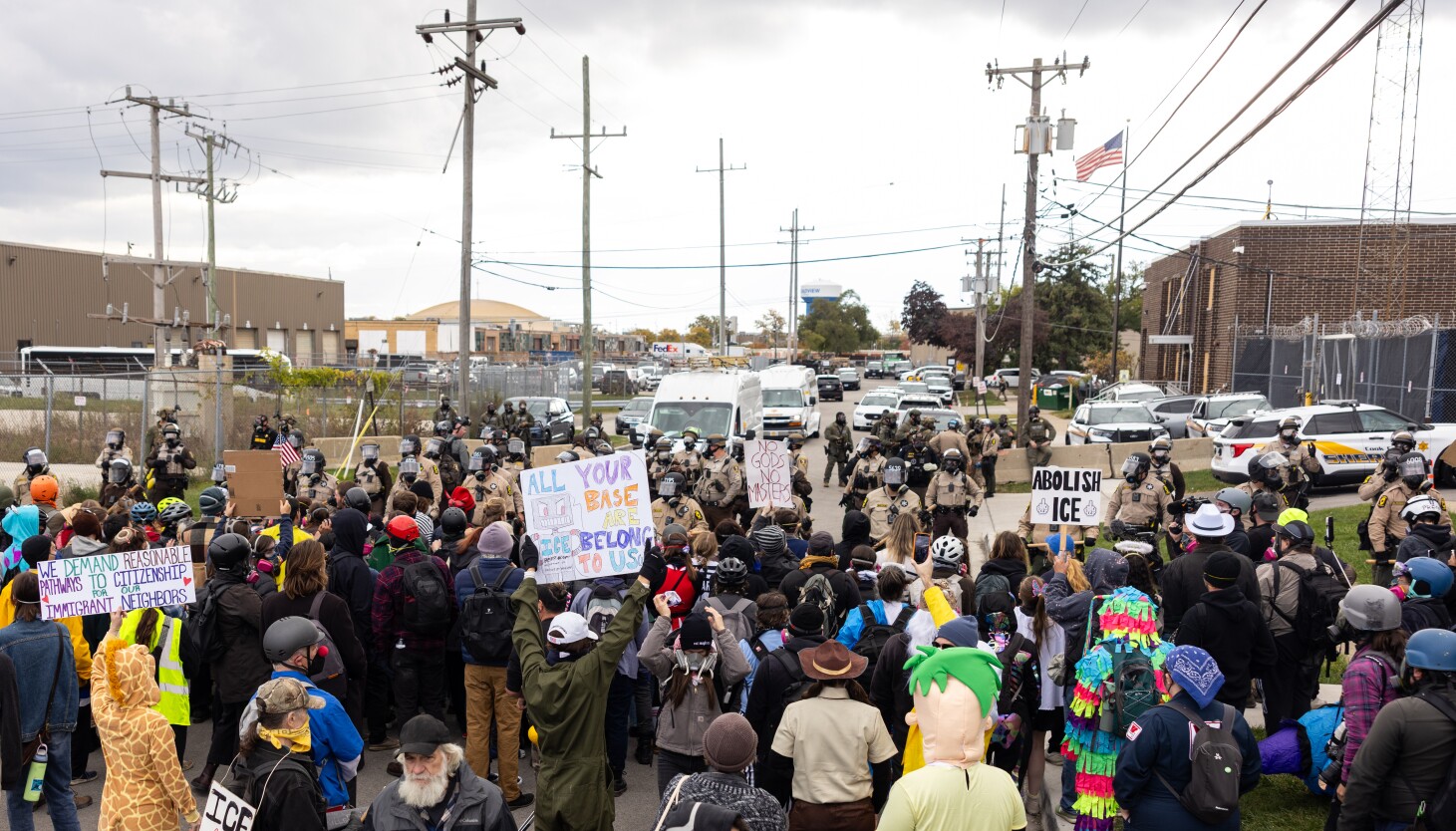
Broadview spent nearly $400,000 it didn’t budget for after federal immigration agents converted the small village’s processing center into an active detention site, a hit that consumed roughly 10% of the municipality’s discretionary spending in 2026.
Nobody asked the village’s 7,900 residents. No vote was held, no contract was signed, and no warning came before President Donald Trump’s immigration enforcement sweep rolled through the Chicago region. That’s the part that stings local officials most.
Unlike jurisdictions in other states that cut formal agreements with the federal government and collected daily per-diem payments for each detainee, Broadview got the operation without the reimbursement. The facility at 1930 Beach Street, which had functioned for years as a processing and check-in center, became the region’s most visible flashpoint almost overnight. Protests drew crowds that weren’t looking for dialogue. A quiet western suburb found itself on national television for reasons it never sought.
Mayor Katrina Thompson has filed a reimbursement request with the federal government, and the village budget is already written around the assumption that money comes back. She’s also announced plans to close the Beach Street site entirely and turn it into a museum, framing the conversion as a way to change how Broadview is perceived. Both moves face serious doubt. Federal reimbursement to a municipality that signed nothing is uncertain territory. And federal willingness to shut down an active ICE facility because a local mayor wants it gone is a long shot.
Thompson won’t say so publicly. She canceled a scheduled interview with the Chicago Sun-Times and WBEZ after discovering that her village finance director had answered a reporter’s budget questions without clearing it through her office first. Spokesman David Ormsby confirmed the cancellation and said, “There is currently no intent to reschedule.”
That’s the posture. Quiet. Careful. A mayor who doesn’t want to make things worse by talking.
Many residents feel the same way. They’re not eager to relitigate fall 2026 or pull fresh cameras back to streets that spent weeks crowded with protesters and federal vehicles. There’s a fatigue there, a sense that Broadview has already carried enough weight that wasn’t originally its own.
But the bills don’t care about fatigue.
The village had actually done the hard work before all this. Years of careful budgeting had stabilized Broadview’s finances, and according to local budget data reviewed by Chicago Gust, the $400,000 hit erased that margin in a single enforcement season. For a municipality Broadview’s size, that’s not a rounding error. It shows up in staffing levels, service decisions, and reserve funds that took years to build back up.
Across the country, the contrast couldn’t be sharper. Sheriffs and county governments have signed intergovernmental agreements with U.S. Immigration and Customs Enforcement, pulling in per-diem payments for holding detainees in local facilities. Those arrangements, tracked by the Vera Institute of Justice, have generated significant revenue for some jurisdictions that chose to participate. Broadview didn’t choose anything. The enforcement came anyway.
Thompson’s public statement on the broader situation didn’t pull punches. “No community should have to experience what the Village of Broadview has endured. How do we ensure that no community is left to carry a burden it neither chose nor has the power to control?” she said, though she hasn’t backed those words with a press availability since.
The question she’s asking isn’t rhetorical. It’s a real policy gap. Federal immigration operations can touch local jurisdictions in ways that create genuine financial damage, and there’s no automatic mechanism requiring compensation when there’s no underlying agreement. Broadview is the case study right now, the small municipality that didn’t negotiate, didn’t consent, and doesn’t have a clear path to getting whole.
Both proposals, the reimbursement request and the museum conversion, might go nowhere. The village budget depends on the first one working out.
Seven thousand nine hundred people live there. They’re still waiting.