
Ahmed Shihab-Eldin Detained in Kuwait: Press Freedom Crisis
Award-winning journalist Ahmed Shihab-Eldin has been held in Kuwait for seven weeks. His arrest raises urgent questions about press freedom and media bias.
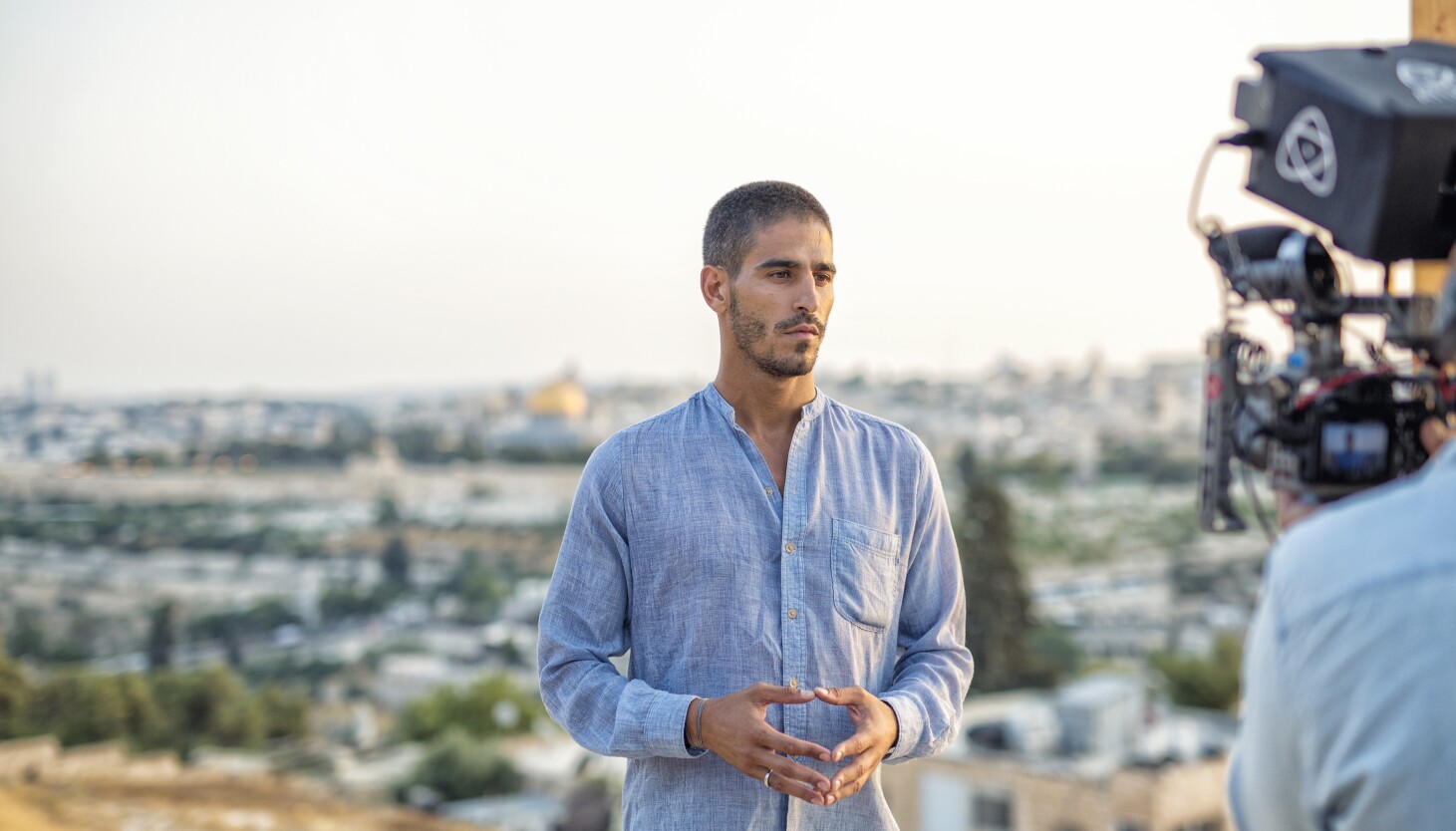
Ahmed Shihab-Eldin, 41, has been held in Kuwait for nearly seven weeks. The charge, as best as press freedom advocates can tell, stems from footage he shared on social media showing aerial military activity connected to the Iran conflict.
That’s it. That’s what’s kept a working journalist behind bars.
The Chicago Sun-Times first brought the case to wider attention, reporting on the detention of the Berkeley, California, native who’d been posting to Substack and other platforms as regional tensions around Iran escalated in 2025 and into 2026. Kuwaiti authorities moved against him, and the Committee to Protect Journalists launched a formal petition demanding his unconditional release, describing his case as part of a documented pattern of governments using wartime security concerns as cover to shut down conflict reporting across the Middle East.
“The arrest of Ahmed Shihab-Eldin sends a chilling message to every journalist covering the region,” a CPJ representative said in materials tied to the petition campaign.
The U.S. Press Freedom Tracker is among the organizations monitoring the case. What they’re watching is a Kuwaiti-American reporter whose dual identity has, in the eyes of some governments and some newsrooms, muddied the question of what protections apply to him. That muddiness is convenient for the people holding him. It shouldn’t be convenient for us.
American media hasn’t generated the volume of sustained outrage that typically accompanies the detention of Western journalists abroad. The coverage has been real but scattered. Shihab-Eldin isn’t a correspondent for a major network who ended up in the wrong city at the wrong moment. He’s a Kuwaiti-American man who chose to document a conflict that touches his own family’s country. The press freedom calculus doesn’t change because of his passport. Journalism’s protections don’t come with a national origin requirement attached.
Reposting footage of military aircraft over a country on the edge of a war zone isn’t espionage. It’s documentation. Reporters do it. The act of recording and sharing what’s happening in the air over a conflict region is the job, not a crime.
Anyone who covered Chicago’s own long fight over footage and accountability should recognize what’s at stake here.
Shihab-Eldin came through this city years before 2026. He was here in 2015 covering the fallout from the police shooting of Laquan McDonald, a story that cracked open the way Chicago handled police violence and the public’s right to know about it. He showed up at Leighton Criminal Courthouse on the Near West Side when Cook County prosecutors dropped charges against Malcolm London, the poet and activist accused of striking a Chicago police officer during protests tied to the McDonald case. Reporters who worked that courthouse beat remember him. He wasn’t parachuting in for a quick take. He understood the story’s weight.
He understood that the McDonald footage, suppressed by city officials for more than a year, was itself the central fact of the case. Its concealment was an exercise of power. Its release, forced through a court order in 2015, was what accountability looks like when it works. Shihab-Eldin grasped that distinction. He reported accordingly.
That’s the same reporter now sitting in detention in Kuwait because he shared footage that governments would rather people not see.
The Committee to Protect Journalists isn’t asking for something complicated. They want Kuwait to release him immediately and unconditionally. The CPJ’s petition describes his case within a wider regional pattern: conflict journalism being criminalized in real time, with wartime anxiety providing the legal cover that makes it possible.
There are 41-year-old journalists sitting in cells right now whose names don’t trend, whose networks don’t mobilize, whose dual citizenship makes their captors feel safer about the silence on the other end. Shihab-Eldin is one of them. The petition is live. The case is documented. The U.S. Press Freedom Tracker has the record.
What’s missing is the noise.